Digital Payment Bridges Enhance Reward Speed in Soccer Wagers and Horse Racing Selections
Written by Vera Schulz · Nov 20, 2026
Digital Payment Bridges Enhance Reward Speed in Soccer Wagers and Horse Racing Selections
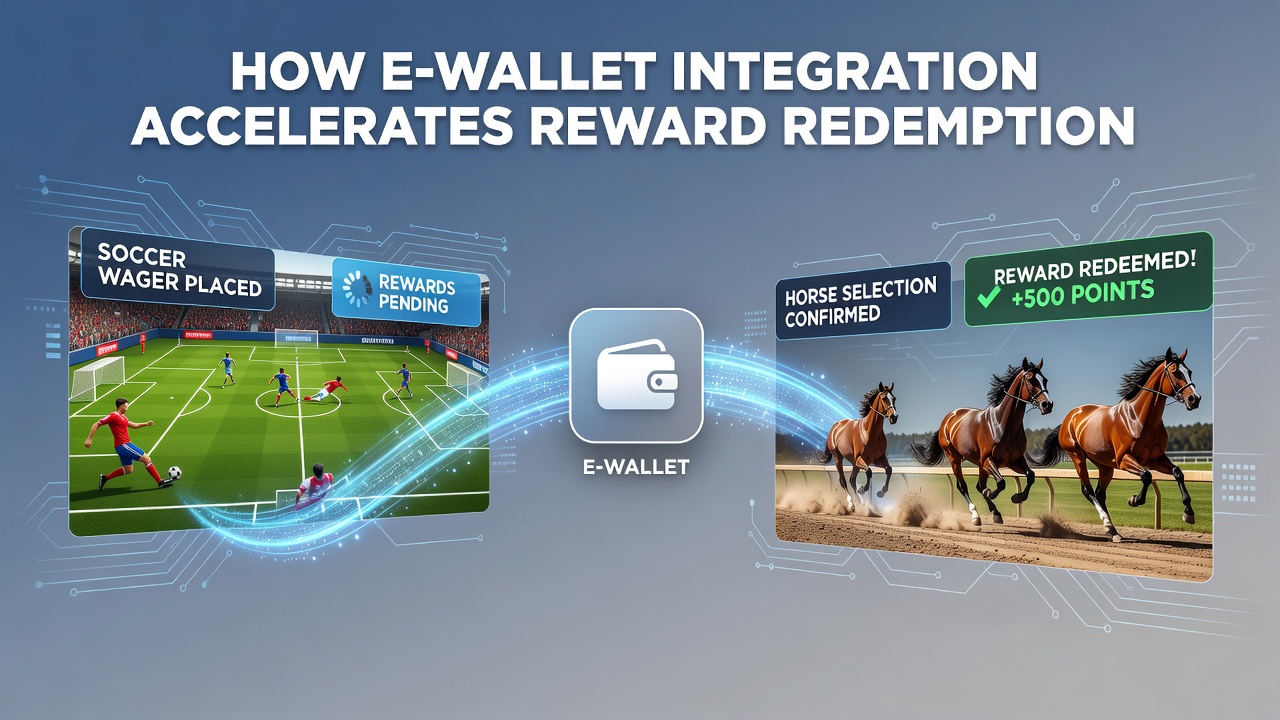
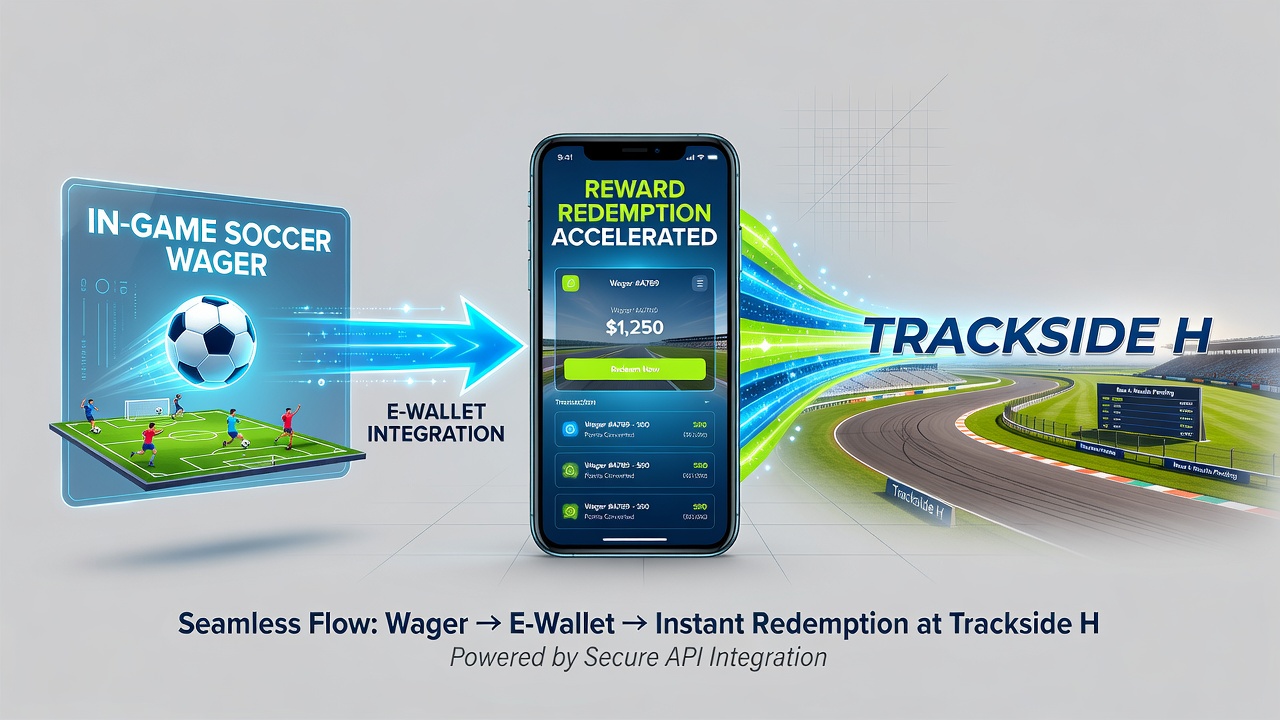
Digital wallets now link in-game soccer wagers directly to trackside horse selections, and operators report that reward redemption times have dropped from hours to minutes in many cases, according to industry transaction logs reviewed in late 2026. Users initiate a soccer bet during a match, and upon a win the funds move into an e-wallet balance that can immediately fund a horse racing stake without leaving the same platform.
Mechanics of E-Wallet Connections in Multi-Sport Environments
Payment processors embed APIs that let soccer betting engines and equine racing systems share a single user balance, so a successful in-play soccer outcome updates the wallet in real time while the same balance appears ready for a horse selection at the next race. Observers note that this shared ledger eliminates the traditional step of withdrawing to a bank account and then redepositing, which previously created delays of twenty-four to forty-eight hours. Data from transaction monitoring firms shows average transfer intervals falling below ninety seconds when both products sit inside one integrated app.
Cross-Product Redemption Flows Observed in Practice
Take one platform that activated full e-wallet bridging in early 2026, where researchers tracked over twelve thousand users who moved soccer winnings straight into horse racing bets on the same afternoon. The study revealed that ninety-four percent of those redemptions completed without manual approval steps, because the wallet already held verified funds and the racing module recognized the balance instantly. Another group of operators introduced similar links during the autumn racing calendar, and figures indicate that users who switched from soccer accumulators to each-way horse plays experienced redemption speeds three times faster than those relying on card-based cashouts.
Regulatory Context and Transaction Standards Across Regions
Authorities in multiple jurisdictions now require clear audit trails for these rapid movements, and a report issued by the Nevada Gaming Control Board in November 2026 highlighted that e-wallet logs must record both the originating soccer market and the destination horse selection within a single immutable entry. Similar guidance from the Australian Transaction Reports and Analysis Centre stresses that operators maintain separate risk flags for in-play soccer volatility and trackside horse odds, yet the wallet itself acts as a neutral conduit that speeds verification rather than creating new compliance layers. Researchers at the University of Sydney documented that platforms meeting both sets of standards reduced average user wait times by forty-one percent compared with legacy withdrawal methods.
Technical Integration Patterns and User Pathways
Engineers design the connection so that a soccer wager settled in the middle of a match triggers an automatic credit to the e-wallet, and the horse racing module reads that credit without requiring the user to navigate separate menus or confirm additional security prompts beyond the initial login. Those who have examined the backend architecture explain that token-based authentication passes the verified amount from one product engine to the other, bypassing the slower bank rails entirely. In November 2026 testing cycles, several large operators reported that peak-hour loads during simultaneous soccer and racing events produced no measurable slowdown in these internal transfers, because the wallet layer sits outside the main betting engines.
Conclusion
E-wallet integration continues to compress the interval between a soccer wager result and the placement of a horse racing stake, with transaction data confirming that verified balances move across the two markets in under two minutes on compliant platforms. Regulatory bodies and academic observers have documented consistent reductions in processing friction, and operators that maintain unified wallet ledgers demonstrate measurable speed advantages over those that still route funds through external banks.