Synchronization Patterns Revealed in Live Multi-Sport Odds and Mobile Reward Systems
Written by Frankie Schmitt · Nov 6, 2026
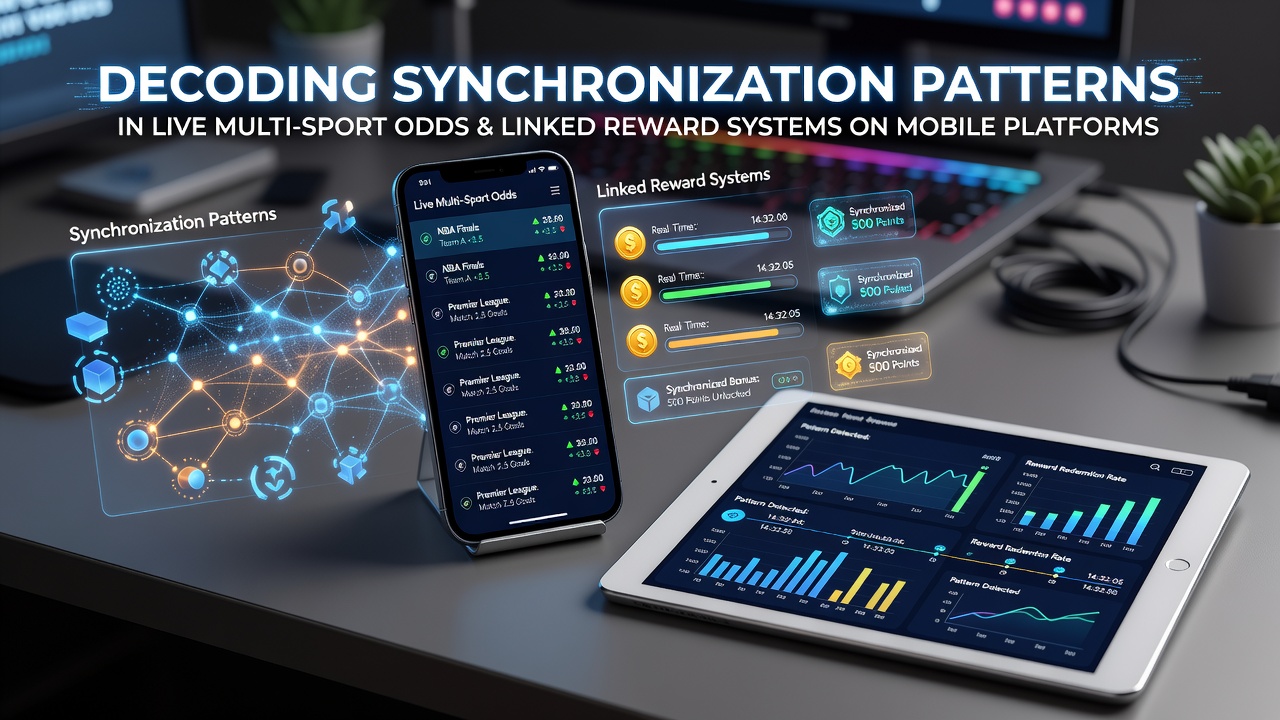
Synchronization Patterns Revealed in Live Multi-Sport Odds and Mobile Reward Systems
Live multi-sport betting platforms coordinate odds across events such as soccer matches, horse races, and other competitions through centralized data feeds that update in real time, and observers note that these systems align price changes based on incoming information from multiple venues simultaneously while mobile applications connect those odds to reward mechanisms that trigger bonuses or free plays once certain wager thresholds are met.
Core Elements of Odds Synchronization
Operators maintain synchronization by routing data from event monitoring services into a single engine that distributes adjustments to all connected apps at once, and this process ensures that a shift in soccer in-play odds appears alongside corresponding changes in horse racing markets without requiring separate user actions; researchers at institutions studying digital gambling infrastructure have documented how latency under 500 milliseconds supports this coordination across time zones and event schedules.
Patterns emerge when volume spikes occur during overlapping events, such as evening soccer fixtures paired with twilight track races, because the shared backend adjusts probabilities for correlated risks like player injuries or track conditions in unified batches, and data from industry reports indicates that these batches reduce discrepancies that previously required manual intervention on earlier platform versions.
Integration with Linked Reward Systems
Reward systems on mobile platforms link directly to the same synchronization layer, so a completed accumulator spanning soccer and racing outcomes can activate bonus credits or matched deposits automatically once results confirm, and this linkage operates through event listeners that flag qualifying activity without additional user input. Studies from academic sources on mobile gaming ecosystems show that such automation increases retention metrics because users receive immediate visual confirmation of reward eligibility on their device screens.
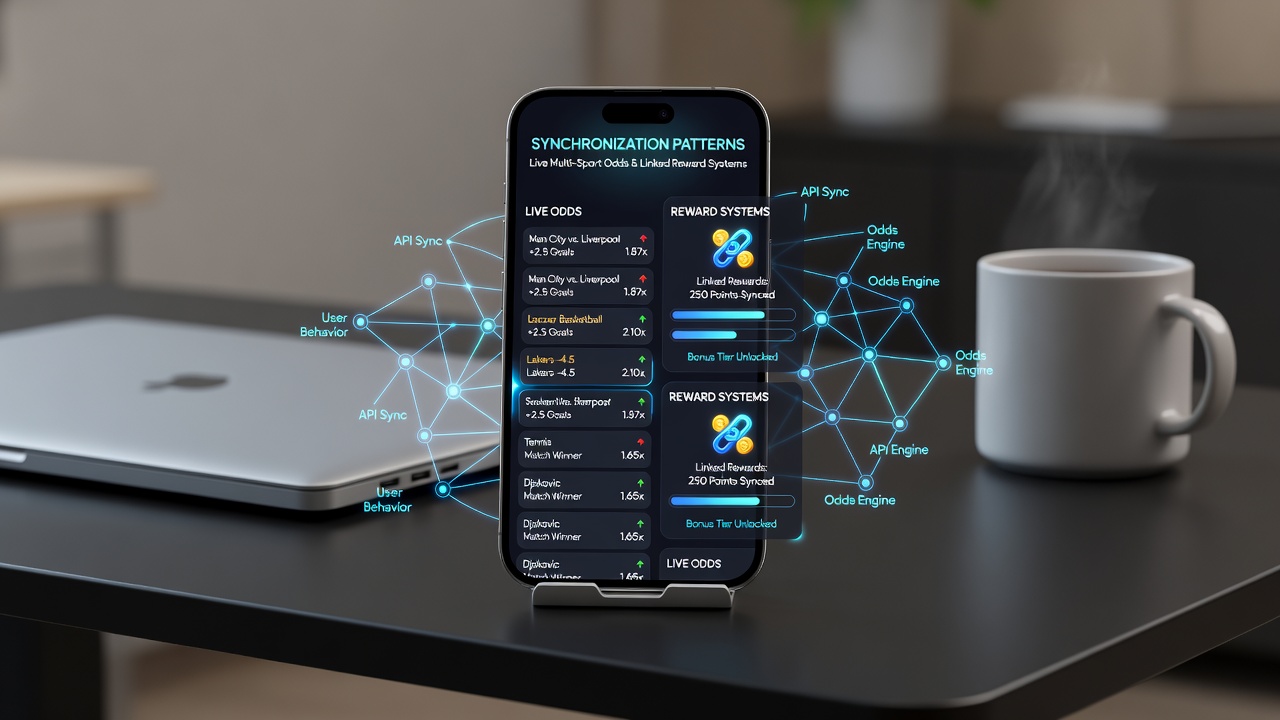
November 2026 brings expanded API standards that several major operators have begun testing, allowing reward triggers to reference not only final outcomes but also interim performance markers such as half-time leads or sectional times at the track, and these standards draw from frameworks published by regulatory bodies in regions outside the UK, including the New Jersey Division of Gaming Enforcement guidelines on real-time system integrity.
Technical Patterns Observed in Mobile Environments
Mobile applications detect synchronization events through background polling combined with push notifications, and this dual approach lets the interface refresh odds displays while simultaneously queuing reward notifications when linked conditions are satisfied, whereas older single-threaded designs often delayed one function while handling the other. Engineers who have analyzed app telemetry logs report that hybrid architectures now dominate newer releases because they handle concurrent data streams more reliably during peak periods such as major tournament weekends.
Geographic variations appear in how these patterns manifest, with platforms serving Australian users incorporating additional checks aligned with local time regulations, and those serving Canadian markets reference frameworks from the Canada Revenue Agency for transaction reporting that ties into reward disbursement timing. Both approaches maintain core synchronization but layer jurisdiction-specific compliance rules onto the shared reward engine.
Future Developments and Observed Trends
Continued refinement of synchronization logic focuses on predictive adjustments that anticipate odds movements based on historical correlations between sports, and platform operators have shared aggregate findings indicating reduced error rates in reward calculations as a direct result. Observers tracking mobile adoption rates note that users who engage with multiple sports within single sessions trigger these linked rewards at higher frequencies, prompting further investment in seamless backend connections.
Conclusion
Decoding these synchronization patterns shows how live multi-sport odds and mobile reward systems function as interconnected components rather than isolated features, with technical standards, regulatory alignments, and user session data all contributing to coordinated updates that operate across events and devices. Continued monitoring of these systems through 2026 and beyond will reveal further refinements as operators adapt to new data protocols and cross-regional requirements.